













Facebook
Twitter
LinkedIn
WhatsApp

Stage 4 Cancer

Metastatic Cancer or Stage 4 Cancer, Stage IV

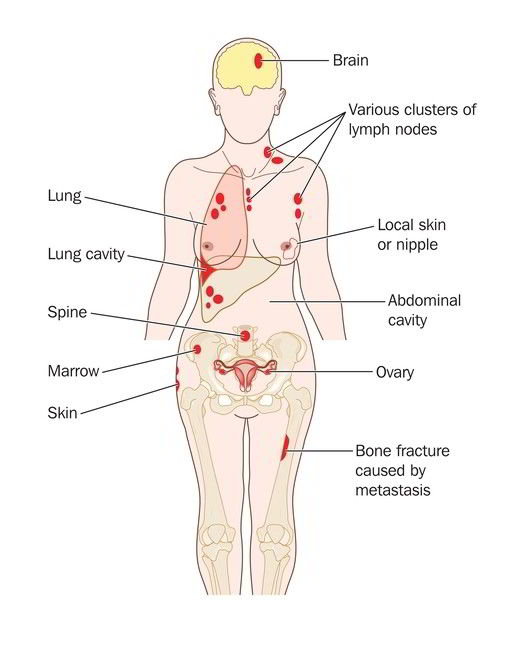
Metastatic cancer, or stage 4 cancer, is a medical term describing a condition where the tumor that started in a specific organ is detected in another organ or location distant from that source organ, also called the “primary tumor”. For example, breast cancer metastases can be diagnosed in the lungs, brain, bones, and liver.

It is important to note that a metastasis is the same tumor as the original tumor, even if it has settled in another organ, and the treatment is addressed accordingly. For example, treatment for lung cancer that has metastasized to the liver will be determined according to the treatment for metastatic lung cancer, not according to the treatment for liver cancer.

The Process of Metastasis Formation

Cancer cells from the original, primary tumor can be released into the bloodstream and lymphatic system, flow through them to distant organs or those adjacent to the primary tumor, “settle” there, and grow.

There are types of cancer for which it is known where metastases can form, for example:

  • Breast cancer can send metastases to the bones, brain, liver, and lungs.
  • Lung cancer can send metastases to the brain, bones, liver, and kidney.
  • Prostate cancer can send metastases to the bones.
  • Colon and rectal cancer can send metastases to the liver and lungs.
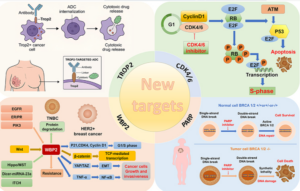
Breast cancer metastasis formation process

Chances of Recovery from Metastatic Cancer, Stage 4

In the vast majority of metastatic cases, treatments are not curative. The therapeutic goals are slowing the tumor growth rate, extending life, reducing disease symptoms, and improving the patient’s quality of life.

The efficacy of treatments is affected by multiple factors, including: cancer type, number and location of metastases, tumor burden in the patient’s body, growth rate of cancerous lesions, the patient’s treatment history, background diseases, the tumor microenvironment among the cancer cells themselves, resistance the cancer has developed to previous treatments, and more.

Innovative Personalized Treatments and Clinical Trials in Metastatic Stage 4 Cancer

For most cancer patients, existing treatments do not cure the cancer, hence the need for innovative and effective strategies to fight the disease.

The National Cancer Institute in the USA, the NCI, recommends that patients with advanced-stage cancer participate in one of the many clinical trials existing worldwide to increase therapeutic success chances. Joining this recommendation is the umbrella organization of leading US cancer centers, the NCCN, emphasizing that every patient should be encouraged to participate in clinical trials at every stage of the disease:

“Patients with cancer should be encouraged to participate in clinical trials during all aspects of their diagnosis and treatment”

Today, every patient will be treated with the standard protocols mentioned above, and sometimes the oncologist will offer to join trials open at their institute.

Advancement in cancer treatments lies in clinical trials, where the most advanced and interesting drugs are found, some of which have even earned FDA recognition as “Breakthrough Therapies,” with more data required from studies until final official approval.

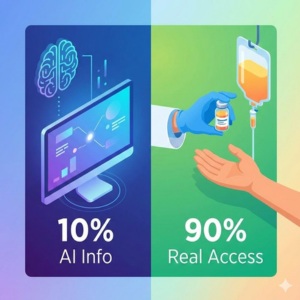
A whole world of trials and compassionate use treatments is open and available globally, and it is important to know which treatments from the forefront of science exist worldwide that the patient can benefit from much more than any conventional treatment offered.

For most patients with malignant cancer, existing treatments do not cure the cancer, hence the need for innovative and effective strategies to fight the disease.

You are invited to read our publications about innovative and breakthrough treatments from around the world for metastatic stage 4 cancer >>


Common Questions about Stage 4 Cancer (Summary)

Q: What is the difference between metastatic cancer and primary cancer?

Metastatic cancer (Stage 4) is a condition where cells from the original tumor have migrated to other organs. Treatment is always determined by the origin of the primary tumor, not the organ where the metastasis was detected.

Q: Are there treatments beyond the standard protocol?

Yes. Beyond the standard protocol, there are clinical trials worldwide, compassionate use drugs, and advanced biological treatments (Off-label) that may suit the specific characteristics of the tumor.

Q: Why does the NCI recommend clinical trials?

Because that is where progress lies. Clinical trials allow access to breakthrough drugs that have not yet reached final approval and may be more effective than existing standard treatment.

To check if our service suits your case
We need to talk

Improve therapeutic outcomes, prolong life and quality of life, is our main business.
We support access to and expand cancer treatments beyond the standard of care, with the most advanced and innovative treatment options in the world, personally matching the individual cancer patient’s medical condition and with the support of top tier oncologists.

Article categories

קטגוריות המאמרים

Popular topics

Facebook
Twitter
LinkedIn
WhatsApp

Breast, bowel and prostate cancers – A promising drug targeting DNA repair

Background

DNA damage is the fundamental cause of cancer – leading to mutations in key genes that allow cancer cells to divide uncontrollably. But it can also be a key weakness of tumors that can be exploited, since cancer cells can be killed by further damaging their DNA or stopping them from repairing it.

A new drug, BAY1895344, which stops cancer from repairing its DNA so it can continue to grow and proliferate, has shown promise in an early clinical trial.

BAY1895344 belongs to a new class of drugs known as ATR inhibitors. ATR is a key molecule involved in repairing DNA damages. By blocking it, cancer cells can no longer repair DNA damages and die.

The drug was tested in humans for the first time. It was well tolerated and stopped the growth of tumors in over half of patients treated. It is orally administered.

About the Trial

This was a phase I trial. People in the trial had a range of advanced, heavily pre-treated cancers including breast, bowel and prostate cancers. These patients were very sick.

The trial involved 21 patients.

Well Tolerated

The aim of the trial was to evaluate the safety of the ATR inhibitor BAY1895344 and to identify the maximum tolerated dose that could be safely given to a group of cancer patients who had already previously been treated with multiple other drugs.

The researchers found that the drug was well tolerated by patients – and better still, that there were encouraging signs that it was effective against advanced cancers with defects in the ATR gene.

BAY1895344 stopped tumor growth in eight out of the 21 patients and shrunk the tumors of another four patients with ATM mutations – which is remarkably positive for a phase I trial with a new drug.

The effectiveness of the drug seemed to be long lasting, with an average period of response of 316 days!

Three out of four patients who had their tumors shrunk remained on treatment for more than a year.

Side Effects

The most common side effect reported was anaemia, which was managed with the help of blood transfusions and did not usually require the treatment to be stopped.

The Potential of ATR Inhibitors

Recently, another phase I trial also showed benefits for an ATR inhibitor, called Berzosertib, in patients with very advanced tumors, either on its own or with chemotherapy.

Conclusion

The best treatment for a cancer patient is to get the most advanced cancer drugs in advanced stages of development. There, the hope and the chance to extend life go far beyond the standard protocols.

Contact us to find out what is the best treatment for YOU

TRIAL•IN Pharma

Because we, do not give up on life!

Contact us 24/7 –

Call center +44.2082.426.039

For further reading>>

Extra reading>>

About Breast cancer>>

About Bowel cancer>>

About Prostate cancer>>

BAY1895344 in Breast, Bowel and Prostate cancers

No Cost service compatibility check
Please fill in the details and we will back to you as soon as possible

Improving therapeutic success, extending life and quality of life are our main business. We extend to metastatic cancer patients and patients with brain tumors, the most advanced treatment options in the world and the best experts in Israel and abroad.

Article categories

קטגוריות המאמרים

Popular topics